It Takes Two
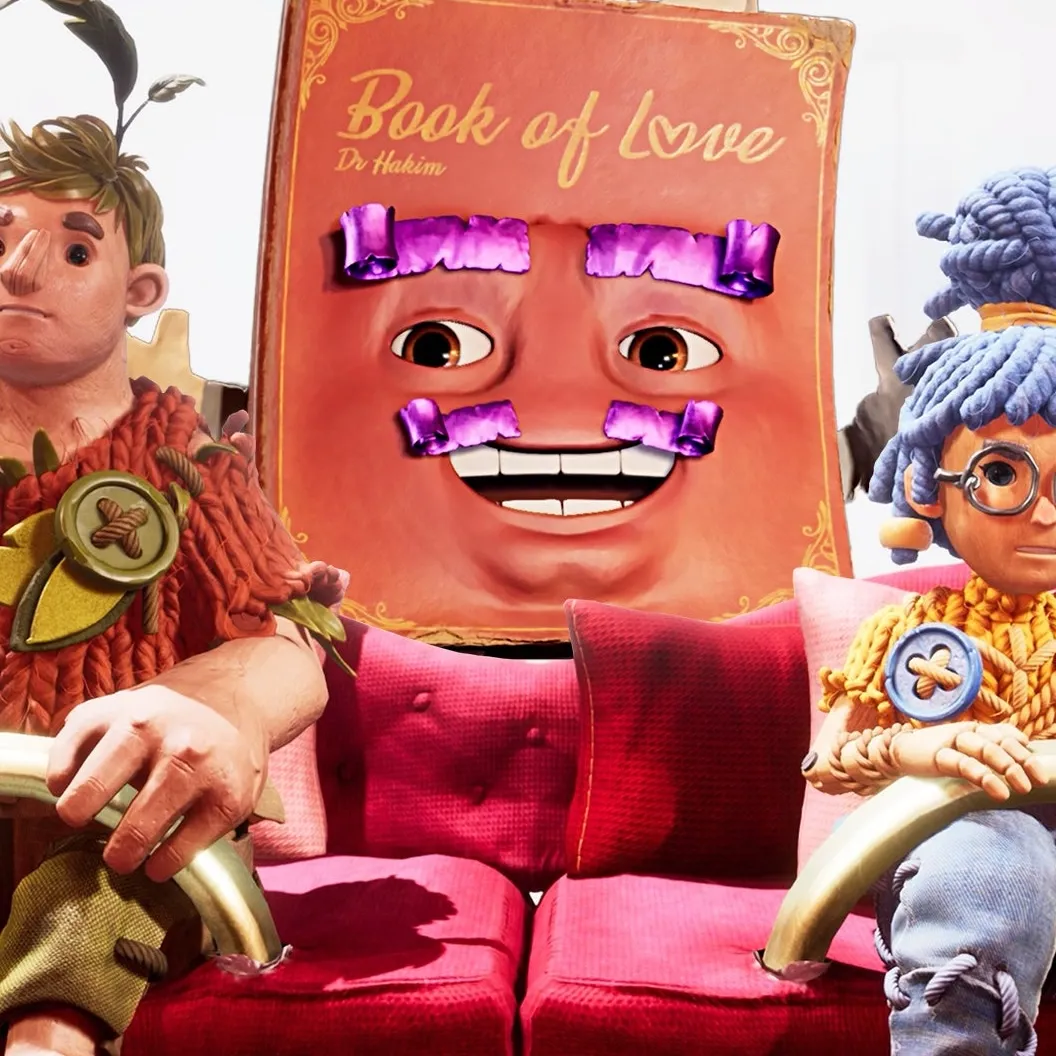
Apart from a prodigious Duolingo streak, my wife is not a gamer. I had a desire to share my hobby with her, so I suggested that we try the popular co-op title, It Takes Two. The Steam Deck’s ability to dock to a TV via a USB-C connection made it possible for us to enjoy a big-screen, split-screen couch experience.
We enjoyed the game’s story, which is about a divorce-bound couple mending their relationship, while they try to navigate their house after being transformed into dolls. There are plenty of comedic cutscenes featuring an anthropomorphized self-help manual called The Book of Love, who acts as a couples therapist and helps them rekindle their romance. Sure, you could argue that the narrative is a misguided fantasy—some families really are better off if they separate—but the tone is meant to be light and fun.
Nine Sols
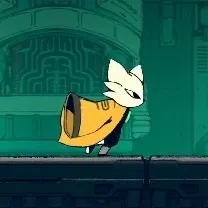
Nine Sols comes up often on lists of games for fans of Hollow Knight and Silksong to check out. It is indeed the same style of game (“Metroidvania”), and also shares an emphasis on combat and boss fights. Where it differs most is the mechanic of parrying. Whenever an enemy attacks, you can press a button to block it, and if you time it correctly, you charge up qi (essentially mana) that you can then use to counterattack. Mastering the rhythms of the boss fights is definitely fun and satisfying.
Cocoon
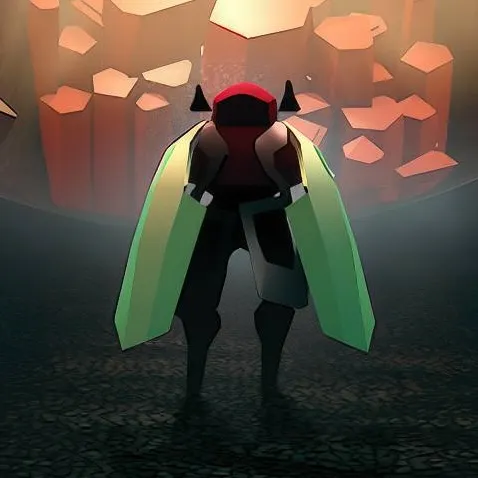
Jeppe Carlsen has designed two games which I thought were amazing: Limbo and Inside, and so I was keen to try Cocoon, his latest effort.
The game is a non-stop series of puzzles. You control a little bug-like thing, travelling through a 3D alien world with pleasant rounded shapes and pastel colours. To progress, you have to carry orbs and use them to activate switches. At first, this simply triggers equipment like elevators and bridges so that you can move through the levels, but later on, you can actually go into the orbs, and each of them contains a whole other world. Discovering how the puzzles interact across nested orbs is really satisfying.
I had a lot of fun with Cocoon, but I have to say that it doesn’t quite live up to Limbo and Inside. The two older games have such unique and immersive visual designs, both creepy and horrifying in their own ways, whereas Cocoon’s aesthetics feel kind of generic. It’s a small criticism against an otherwise great experience.
Titanium Court
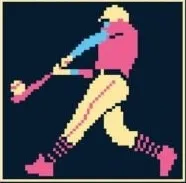
This game is a quirky spin on the tried-and-true Match 3 genre. Narratively and thematically, it’s a mish-mash of various concepts: your character has been unexpectedly inserted as the queen of the Titanium Court, doing battle against knights and catapults, all of which evokes a medieval setting; however, you meet characters who go to business school or teach karate, and the animations that appear during gameplay depict modern sports like golf and tennis. It’s all very bizarre.
I admire the originality and personality of the game, which leans into surrealism and comedy. However, the core gameplay is not really my cup of tea. While it does add a layer of resource management and strategic planning to the Match 3 formula—the tiles represent land types that generate materials with which you build units, and part of the key to success is positioning obstacles between you and enemy units—I ultimately tire very quickly of shuffling tiles around. Furthermore, I have to say that I’m not a fan of the aesthetics of the game, which uses a magenta and cyan colour palette reminiscent of CGA graphics back in the day (e.g. Alley Cat) . I’m sorry, but my eyes don’t like it.
Flashback
The Quest for Identity
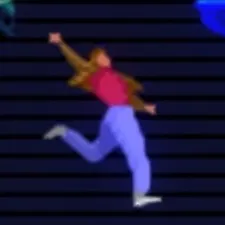
I recently wrote about the nostalgia trip that a Crash Test Dummies concert triggered in me, and coincidentally, at around the same time, Steam offered a discount for a game that also brings me back to my childhood.
I can’t quite place the circumstances around which I played the game Flashback: The Quest for Identity (1992) for the first time. Was it the same friend, Meek, who introduced me to it while we listened to Crash Test Dummies on the radio? Or maybe it was my uncle, whose apartment I sometimes stayed over at, and with whom I remember playing other games like Aces Of the Pacific and The Games: Winter Challenge.
Flashback is a side-scrolling platforming game, similar to Prince of Persia (which is another old favourite of mine), but more advanced in terms of graphics and animation. The protagonist, Conrad, travels through a variety of environments ranging from a jungle to a futuristic city to an alien planet, all rendered colourfully with pixel art. Conrad’s movements are life-like, especially when he jumps or rolls along the ground. As a kid, I was endlessly amused by Conrad’s bad-ass signature move of rolling past an enemy and ending in a crouched stance with pistol drawn and firing.
Hollow Knight: Silksong
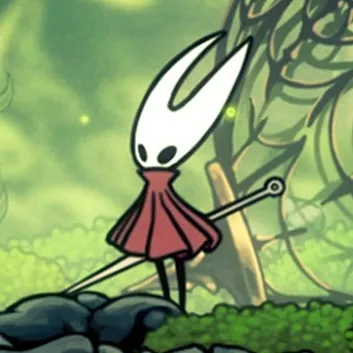
As I write this, I have achieved 100% completion on Hollow Knight: Silksong, having played it exclusively (apart from a few co-op sessions of It Takes Two with my wife) for about three months. Despite the high number of hours I’ve put in—which number I won’t say, as it’s sort of a badge of shame that indicates my relative lack of skill—I’m still itching to go back and repeat the final boss fight again.
I’ve touted the original Hollow Knight as an all-time favourite game of mine, and I’m here to say that its sequel is almost equally enjoyable.
Hollow Knight

In late August 2025, the release date of Hollow Knight: Silksong, one of the most highly anticipated video game sequels ever, was announced: September 4[^hollowknight-1]. Foolishly, I thought to myself, “Hey, maybe I can play the original Hollow Knight in the couple of weeks before Silksong comes out.” I’d always heard good things about it, even though I wasn’t aware of quite how big the fandom is. And, it turns out, how big the game itself is… unless I were to spend almost all of my waking hours playing, there was no way I would have finished it before the sequel’s release.
I had actually tried Hollow Knight briefly when I bought it earlier that summer, but had shifted my attention to another game, because Steam sales inevitably result in a big batch of titles landing in your lap all at once, and you just have to try them all.
The beginning of Hollow Knight can feel a little unwelcoming. You control a little bug, and you start off being only able to jump and hit enemies, which are other little bugs that crawl around in a dark grey world. The 2D levels are mazelike and I didn’t know where I was supposed to be going. Frankly, in the first 30 minutes of the game, I didn’t think there was much to it, and it didn’t seem that fun.
Little did I know how much bigger it would get: the variety of the world’s design keeps growing and growing as you explore, and the gameplay changes whenever your character gains a new ability.
Little did I know that would end up becoming one of my all-time favourite games.
Confessions of a Furtive Gamer
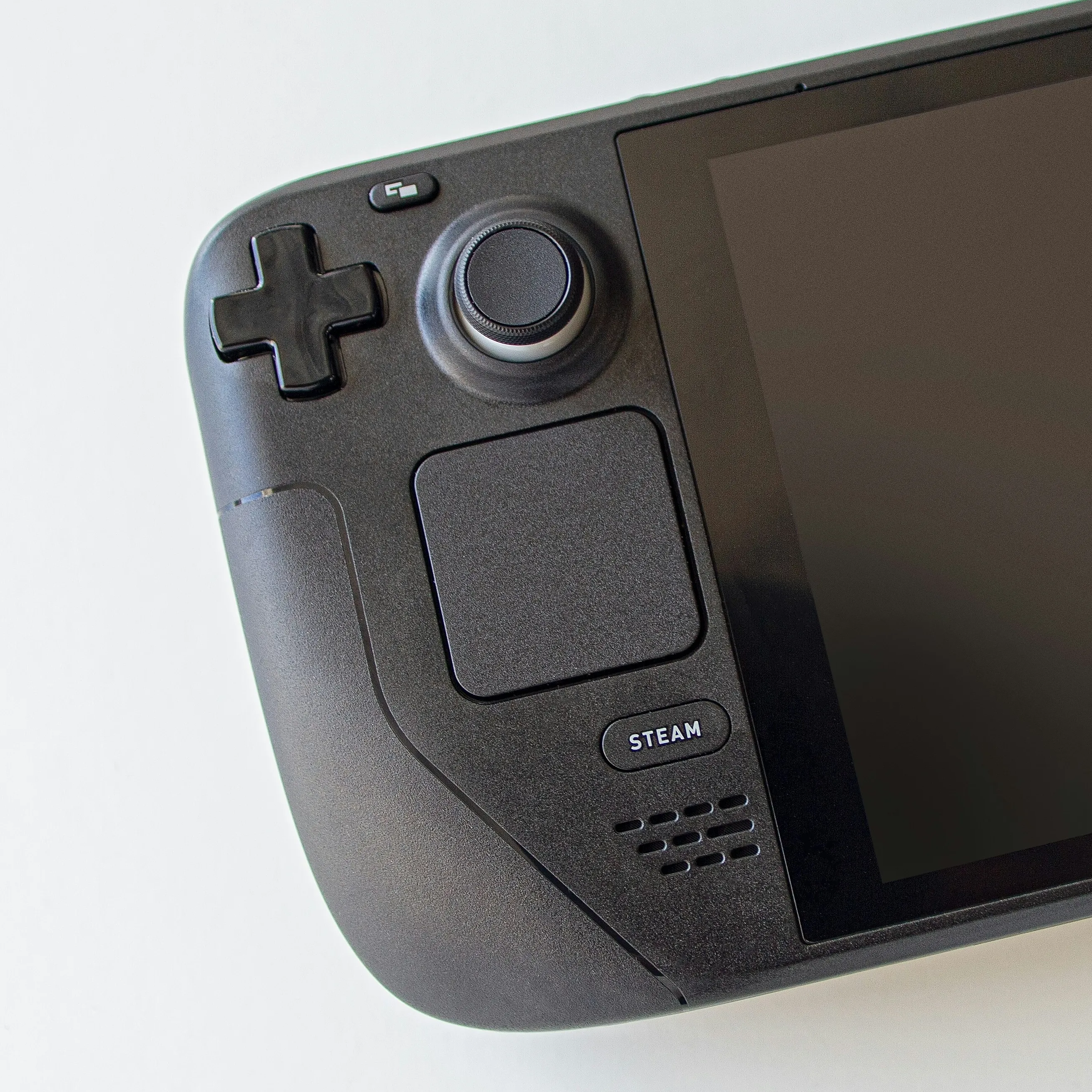
I’ve covered all kinds of media on this blog—books, movies, TV shows, music—but there’s one form of entertainment that I’ve never written about: video games. Ironically, games are probably the hobby that I’ve spent the most time on… and that’s also part of the reason why I haven’t written about them. The truth is, I’ve always been a bit ashamed to be a gamer.
Video games are one of the more geeky realms of geek culture, and I grew up in a time before the geeks inherited the earth. As a kid in school, I learned to avoid revealing parts of myself that would invite mockery: being good at math and computers, enjoying Star (Trek|Wars), still watching cartoons well into my teenage years, and yes, playing video games. You had to make an effort to find people, other geeks, that you could safely be yourself around, because the self that you wanted to be was not the socially accepted norm. For the most part, I did fall in with a group of friends with the same interests, but we would only talk about nerdy stuff when we were at our cafeteria table, away from the “regular” kids.
I’ve also shied away from writing about games because I’ve always had the sense that I play them “too much.” Nobody wants to admit their bad habits in a public forum. Even though I don’t know how to clearly define what amount of play is acceptable, I know that I often feel guilty, that I should be doing something better with my time than gaming.