Halloween Movie Binge
A scaredy-cat’s compromise
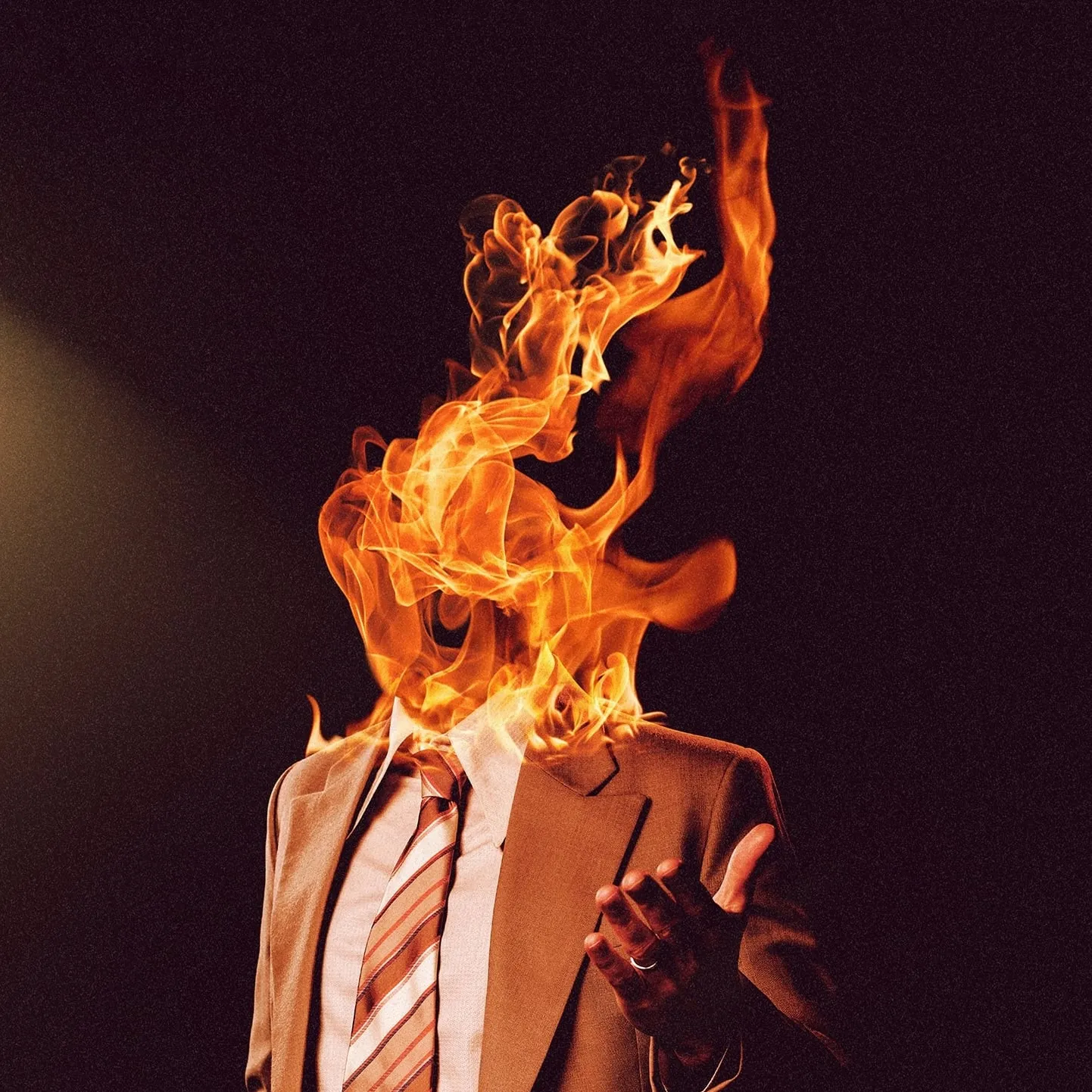
For this Halloween season, I caught up with a few horror movies from the past year. Although I enjoy horror films, I admit I’m too much of a scaredy-cat to go see them in a dark theatre with the big screen and loud sound. As a compromise, I wait for them to come out on home video so I can watch them in a less intense environment.
Hereditary and Midsommar

I’ve lately gone on a kick of revisiting movies that have left a lasting impression on me. With that in mind, I rewatched this pair of Ari Aster films in quick succession, and my snap verdict is: Midsommar has gone up in my estimation, while Hereditary has gone down.
I don’t scare easily at horror movies, but part of the reason is because I tend to avoid seeing them in the theatre. The big screen and loud sound, along with being surrounded by the dark, would probably overwhelm me, and raise the fear factor beyond what I’d be comfortable with.1 This is all to give Hereditary the credit that it deserves: it freaked me the hell out the first time I watched it, even in the comfort of my basement man cave. On this second viewing, because I knew what was coming, it didn’t hit me much. I didn’t expect to be scared, but great horror can be rewatched because it offers more than fear2, and Hereditary didn’t.
Midsommar, on the other hand, opened up for me the second time around. I don’t think it was ever really that scary in the first place, more shocking and disturbing. Without the element of surprise, it becomes a fascinating exploration of how outsiders perceive “foreign” cultures, and the thin line between community and cult.
Things that connect the two films:
- The lead actors, Toni Collette and Florence Pugh, are both great.
- Corpses in Aster’s movies have a bloodless, rubbery quality that I “enjoy.” I can’t say they’re realistic, but they’re also not clearly fake. It’s like a gross, macabre version of the Yoda puppet in The Empire Strikes Back.
Footnotes
-
I’ll always remember the experience of seeing Signs in the theatre all those years ago. I propose that a recent, comparable film, No One Will Save You, didn’t feel very scary to me (though still enjoyable) because I watched it at home. ↩
-
You’re next, The Exorcist. ↩
Talk to Me
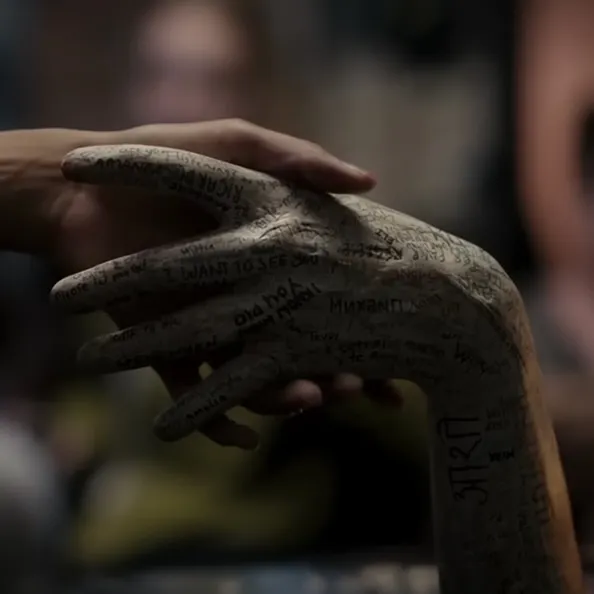
A well-constructed horror movie with effective scares. It’s especially cool how whenever the ghouls/creatures appear, only one person can see it, but everybody else in the room can see the one person’s reaction. Once this is set up, they don’t even have to show the creature anymore, and it’s still just as creepy because you’re reacting along with the others in the room.
I was less engaged with the backstory of a tragic death in the family… the movie was aiming for a high level of difficulty in terms of emotional poignancy, but it felt rote to me. Suicide as a subject matter is hard to get right; it’s a fine line between treating it with empathy and using it as an exploitative plot point. One could write a whole thesis paper about when it works and when it doesn’t, and I don’t think I have it in me to get into it in a quick review like this.
Red Rooms
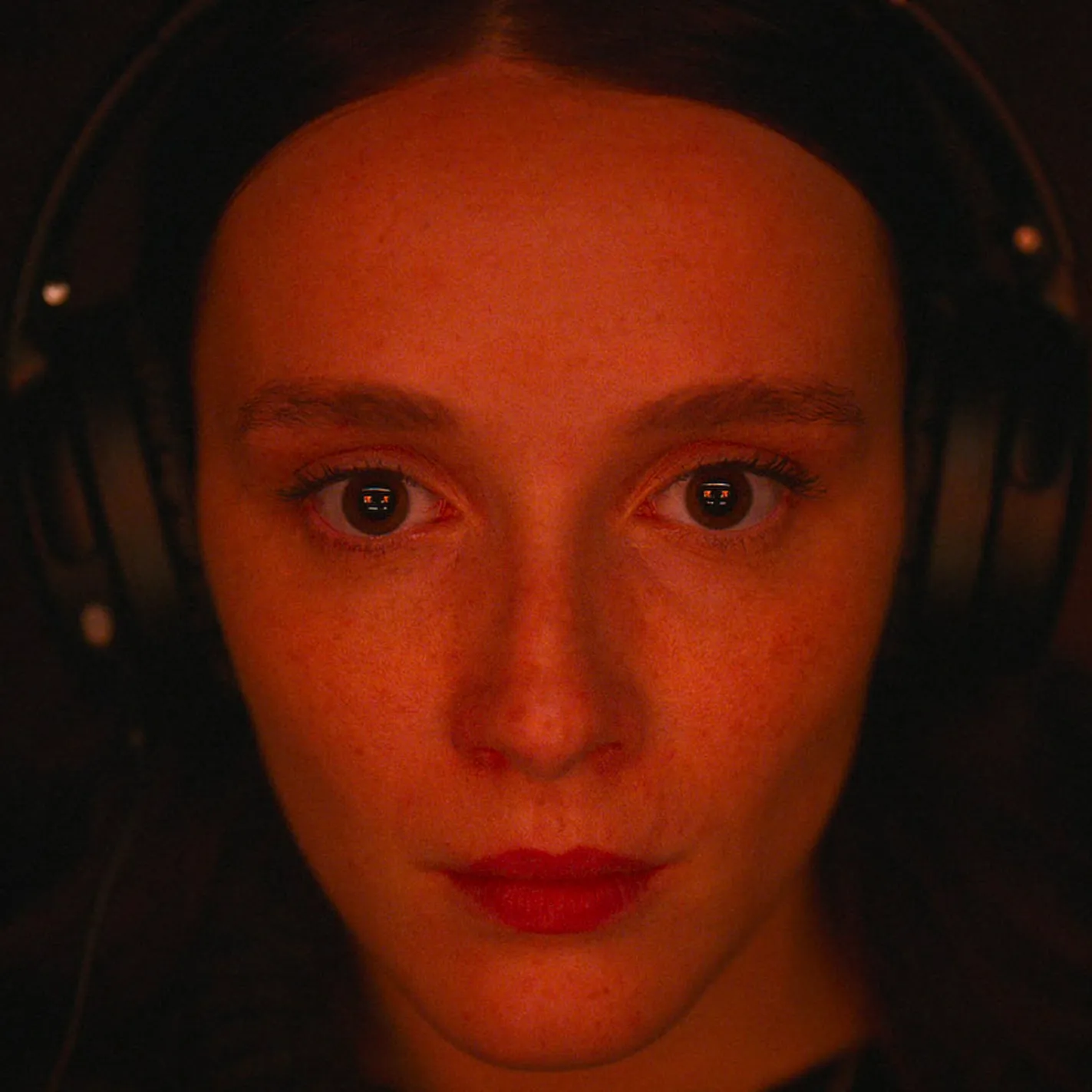
To paraphrase an old wise man… who’s the more psychopathic: the serial killer, or the fan who’s obsessed with him?
The film follows the trial of a man charged with killing multiple victims and recording the murders to post on “le dark web.” In the viewing gallery are a couple of young women who are “fans” of the killer.
I admit my attention wavered a bit during the first half, because the main character is so mysterious that there’s nothing to connect with. But I really enjoyed how the movie escalates once she starts taking action. Her motivations are still unclear, but it’s fun to try to figure her out.