Trash! A Garbageman’s Story
by Simon Paré-Poupart
-
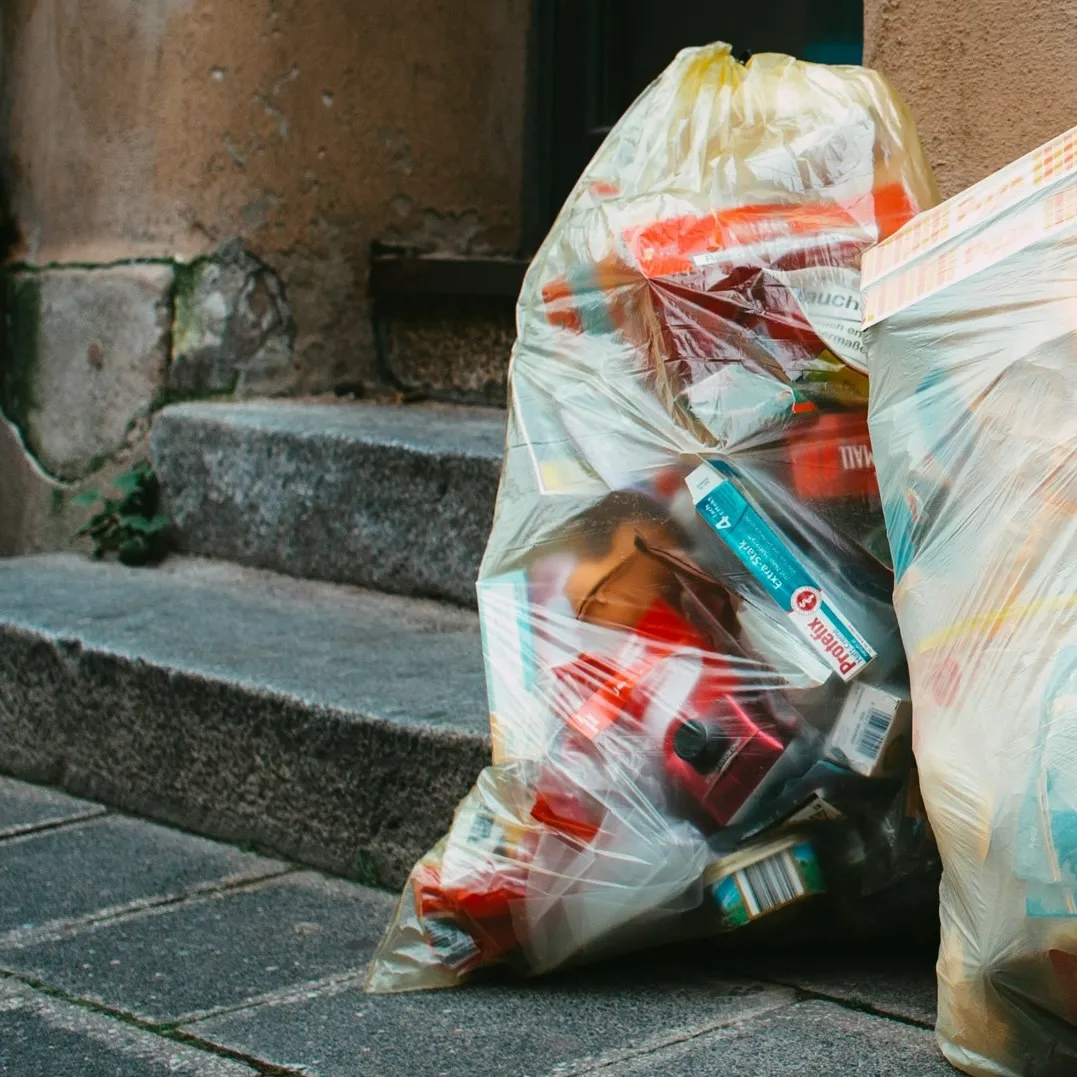
One of my pet peeves about the stories that we consume in our culture is how often writers write about being a writer. It’s an unfortunate economic fact that art as a product tends not to be lucrative, and so the people who can afford to spend their time producing it don’t often have experience in jobs that are associated with the poor. The author of Trash!, Simon Paré-Poupart, breaks this mold. He occupies a niche that we don’t see very often: that of an educated intellectual, doing menial labour, more specifically, collecting garbage.
The book alternates between first-hand stories about the job, and commentary on the social implications of the garbage profession. Paré-Poupart holds a degree in sociology, and to his credit, he avoids seeming like he’s studying his fellow garbagemen for some kind of academic treatise. Instead, he conveys the feeling of camaraderie that he shares with his colleagues, even though his background is so different from theirs. Stereotypes exist because they’re true to an extent, and many of his co-workers are poor, struggling with addiction, or have a history with crime. As someone who studies and writes between his shifts on a garbage truck, the author never judges the circumstances of his colleagues, and always approaches them as equals.
At the same time, he weaves in critiques of consumerism, planned obsolescence, recycling as a form of greenwashing, and racial injustice. There’s a deep contradiction in a culture that looks down on garbage collection as a job that only losers do, while at the same time depending on them to maintain our identity as a clean, civilized society. This book is really effective in exploring this irony.
On a personal note, this book came to me at a time when my own career direction is in flux. After having held a desk job in tech for two decades, I’ve recently started a part-time job driving a school van. It’s such a departure from what my life has “usually” been that I’ve felt occasional flashes of alarm as I sit behind the wheel, thinking, What am I doing here? We always hear that our jobs don’t define who we are, but it’s hard to actually internalize this detachment when we spend so much of our time working. A label like “knowledge work” is most often used in the form “knowledge worker”; that’s what you are. Who am I now when I’m out on the road instead of at my keyboard?
Reading Trash! has been quite comforting for me. It reassures me that we don’t have to choose between dichotomies like blue-collar vs. white-collar work. We can be more than one thing. In the mornings and afternoons, I drive. In between, I study and write, tinker and code.
One morning, I was picking up a student, and it was garbage day on their street. I pulled over in front of the house, and a garbage truck was right behind me. I grew nervous that I was blocking the way, and indeed, as my passenger made their way to my van, the garbage truck had to steer around me. As I learned in Trash!, the guy who hangs off the back and throws the waste into the compactor is called the “helper,” and as this helper jumped off the truck, I braced myself for him to yell at me or at least give me a look of displeasure for obstructing them. But instead, he smiled and waved at me.
In that moment, two parts of my brain collided. One part, the nerdy desk jockey coder, still held the stereotype that garbagemen are rude uncouth bullies; and the other part, which was just starting to awaken, felt a kinship with him as a man of the road, just out there doing our jobs.