Omaha
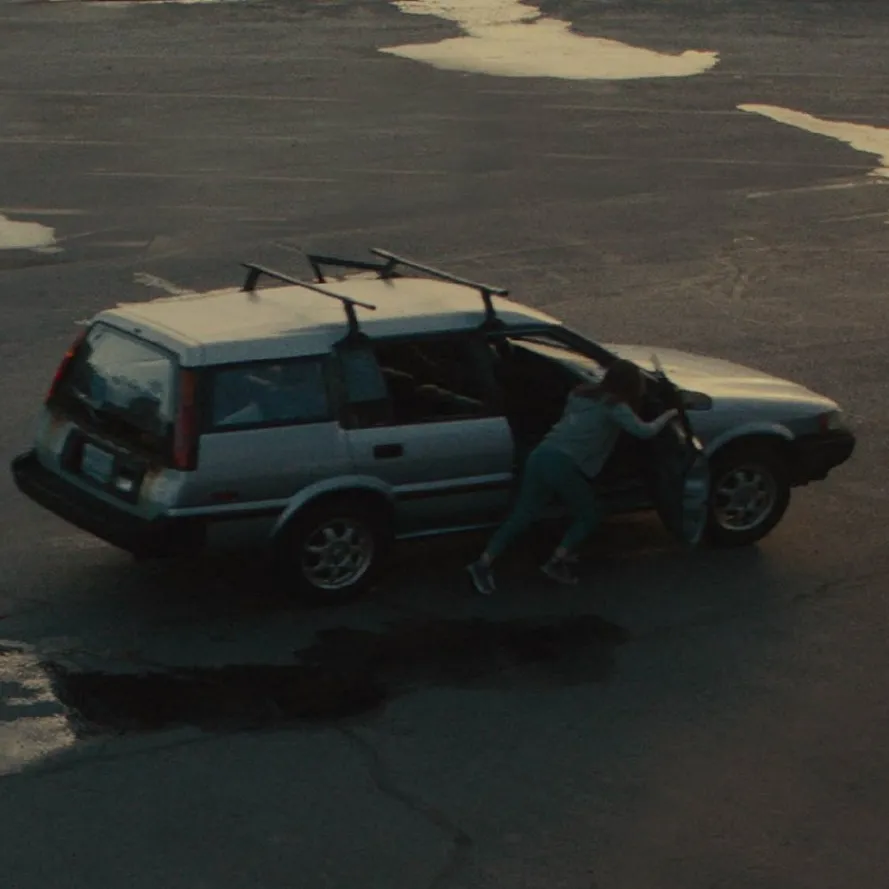
Omaha starts with a father waking up his two kids and wrangling them into their old busted car in a big hurry. They’ve been evicted from their home and as they drive away, there’s a real sense of dread. I, as the viewer, already knew within the first five minutes that it wasn’t going to end well for them, and I spent the (mercifully short) runtime of the film holding my breath and waiting for the ultimate tragedy to be revealed.
The family visits various pit stops and motels along the way to their unknown destination, and the father tries and barely succeeds at pretending that everything is fine. The three performances are the highlight of the film. I often have a hard time with child actors: they’re not always believable, simply because they haven’t had the time to hone their skill; but, when they are convincing, I worry that it’s because they’re experiencing the emotions for real, too young to know that it’s only pretend. Omaha falls in this latter camp, and because of the traumatic circumstances depicted in the film, I hope the two kids (Molly Belle Wright, Wyatt Solis) are okay.
I have no reservations about the performance of John Magaro as the father. The film doesn’t make it clear how the family ended up in trouble, but it doesn’t matter, because he embodies the desperation and fatigue and pain of the backstory. It’s all in his eyes and the way he breathes.
The movie ends with a title card that explains some real-life context. I won’t spoil it but you can read about it here. Omaha shines a spotlight on a specific social issue, and transforms it into an emotional experience. It’s a tough but edifying watch.