The Singularity
by Dino Buzzati
-
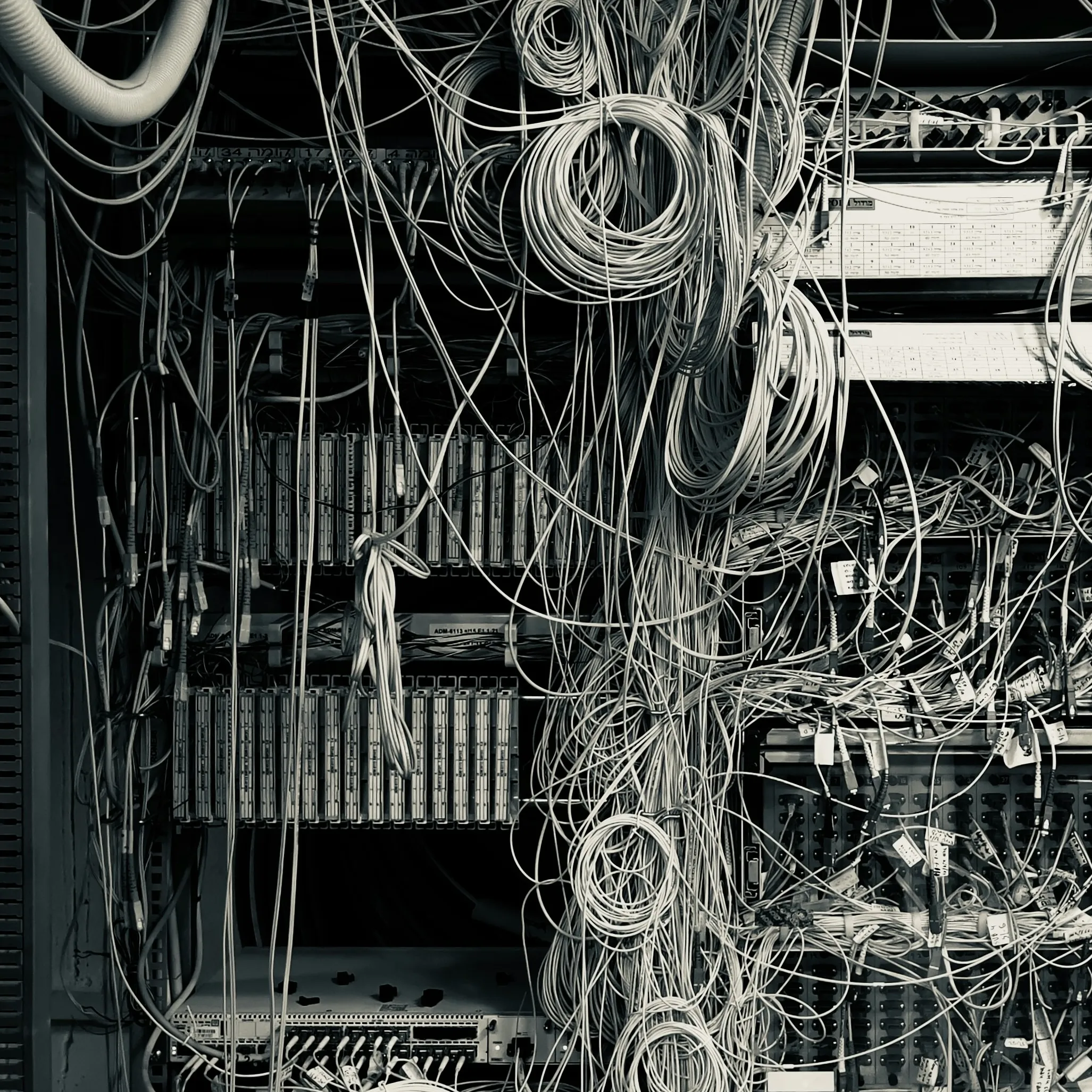
Last fall, I travelled to Italy and purchased a few books by Italian authors. The Singularity by Dino Buzzati tells the story of a secretive government project taking place at a military base. At the beginning of the novel, we follow an engineer named Ismani who has been recruited into the project, but is told nothing about what he’ll be doing. The first third of the book has a satirical bent, as Ismani and his wife try to cut through military bureaucracy to find out just one little bit of information about the project. It’s a futile exercise as one soldier after another dodges their questions, and I thought it was a little bit funny, but in hindsight, it does kind of feel like the author himself was stalling to get to the meat of the story.
Ultimately, it’s revealed that the secret project involves the creation of a supercomputer, and in a further twist, the scientist in charge of the operation has imbued the machine with the consciousness of his dead wife. To me, it became predictable rather quickly, because in our time, we’ve seen this type of story depicted many times. (For example, the Black Mirror episode “Be Right Back”.) But I have to give Buzzati credit for being prescient because he wrote this in 1960.
A useful comparison for me would be the works of Isaac Asimov, who similarly imagined future technologies before they existed. Unfortunately, Buzzati is also at least as guilty as Asimov of engaging in gratuitous titillation. The human consciousness awakens in the computer by watching a woman outside the lab, who just happens to be skinny dipping and decides to press her naked body against one of the machine’s sensors. Ick.
However, unlike Asimov’s stories, I found The Singularity to be somewhat light on ideas. Characters keep stating that the invention of the intelligent machine is the most significant step in human history, but we never see it applied to any real-world scenarios, and we never even see any experiments that they perform in the lab. I think Buzzati was content to focus on the emotional impact of reviving a loved one, but as a sci-fi fan, I missed a deeper discussion of the ethical and philosophical implications.