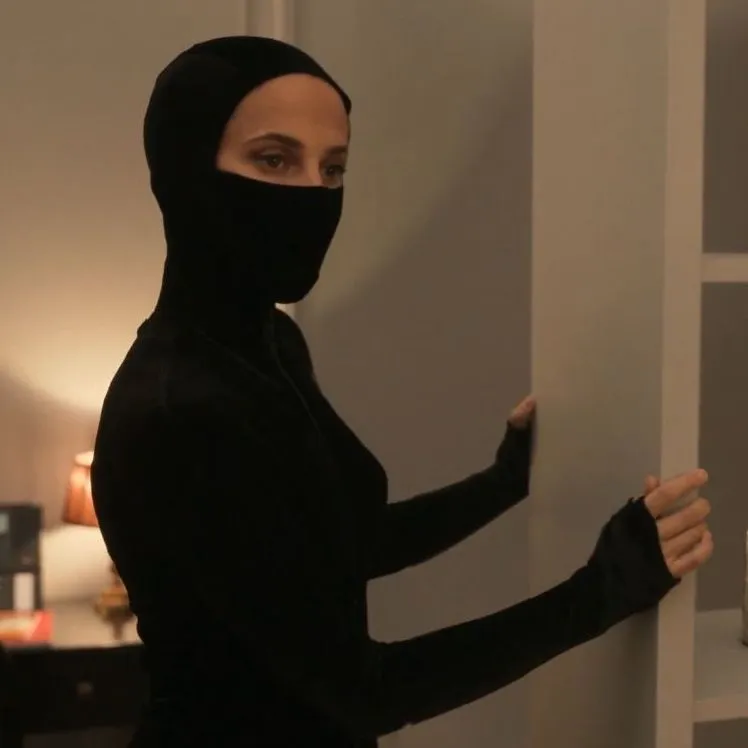
I chose to watch this show because of its star, Alicia Vikander. Probably my biggest celebrity crush. She’s alluring as always in Irma Vep as an actress cast in a niche indie miniseries remake of a silent-era French film. There’s lots of behind-the-scenes filmmaking stuff which is both satirical about the excesses of turbulent artists, and sentimental about the purity of said artistry. It’s also cool to geek out with the layers of self-reference: we see scenes from the film-within-a-film, along with real footage from the original silent film, along with re-enactments of the production of the original silent film. Oh, I forgot to mention: Irma Vep itself is a remake of a film, and we see scenes from that film spliced in here as well. Throw in some unexpected supernatural turns and the scenery of Paris, and it adds up to a fun, chill, occasionally mind-bending watch.
This show has a killer premise that doesn’t quite pay off, in my opinion. A mysterious machine appears in the general store of a small town, and whenever someone presses a button, it spits out a card that predicts that person’s “potential.” I’m into cool supernatural concepts, but what I ended up enjoying about the show was more the character relationships and the comedy (especially when delivered by Chris O’Dowd). There’s a tragedy and a secret hanging over the core characters, and I thought there was enough drama there without the extra mystery of the machine. We don’t find out enough about what the cards really mean to make it compelling; perhaps the pressure to set up a second season forced them to drag out the plot.
I was really absorbed in this thriller for the first third or so. It masterfully creates the feeling of what’s going on here? and deploys its characters through excellent performances, especially by Dave Bautista. But, once the premise is fully revealed, I found myself getting impatient. The story doesn’t give any new information, and we’re just waiting for the characters’ final decision. Once they make it, I said to myself, “Yeah, that’s what I would do too, and that’s what they should have done all along.” It feels inevitable and predictable. Director M. Night Shyamalan is criticized for relying on twists too often, but I felt like this movie could have benefitted from one.
It’s been a while since I dove into a big series. I don’t think I’ve ever tackled a series of this length. After the first entry, I would say it’s not a home run, but it’s intriguing enough to continue. The plotting and action kept me hooked (except for a short detour into zombie territory that almost made me quit—I’m just really not into zombie stuff), but the characters were a bit bland. There are two point-of-view characters with alternating chapters, and when their paths inevitably cross, I had a hard time distinguishing the two.
I could only read short sections of this book at a time, because the account of life in a concentration camp is so harrowing. Frankl’s background as a psychiatrist allows him to effectively explain the psychology of incarceration and trauma, but I’m not sure what to make of logotherapy, the system of therapy that he invented. The second part of the book is a somewhat vague and jargon-y explanation of his theory. The core concept, that humans are motivated by finding meaning in their lives, seems almost tautological to me. Meaning is purpose, and purpose is motivation. Do we really need a formal theory to say that we’re motivated by motivation?
Watching this show means almost always being on the verge of happy tears. Every character does exactly what you want them to, but it still feels like a surprise, because people just aren’t that nice in real life. I acknowledge that the third season lost its way, but I still enjoyed it, and I don’t want to let it take away from the perfection of the first two seasons.
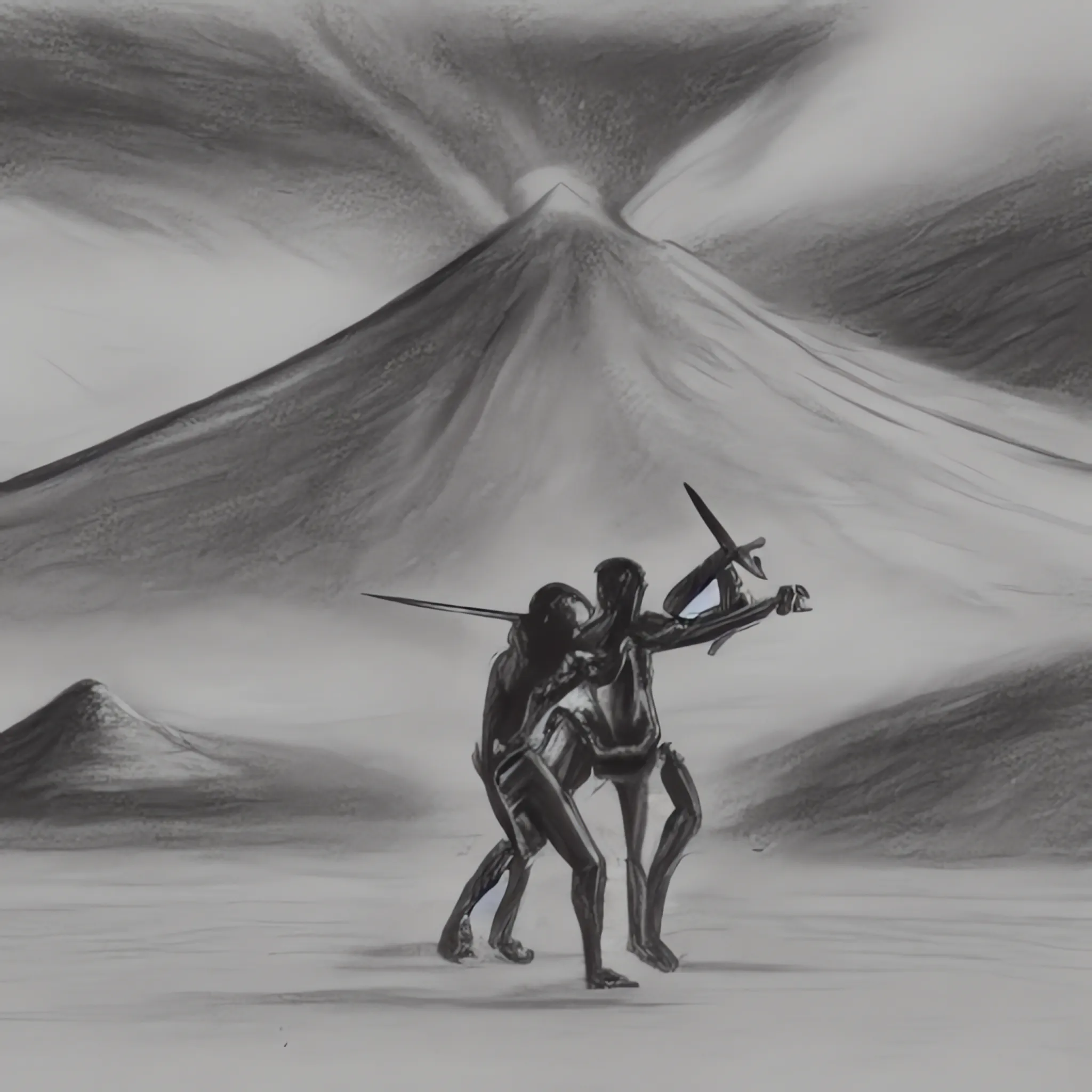
Just the sheer quantity of grunting and screaming in this movie is enough to spike my blood with a level of testosterone that I didn’t think I possessed. I’m thinking about playing the score next time I clean the house to turn the chore into a battle in my mind.
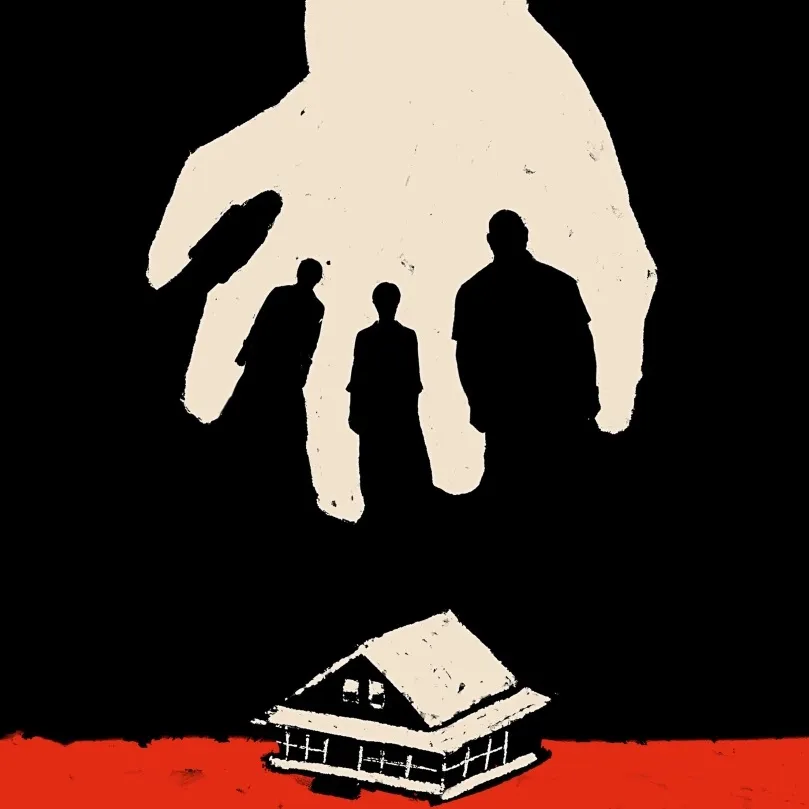
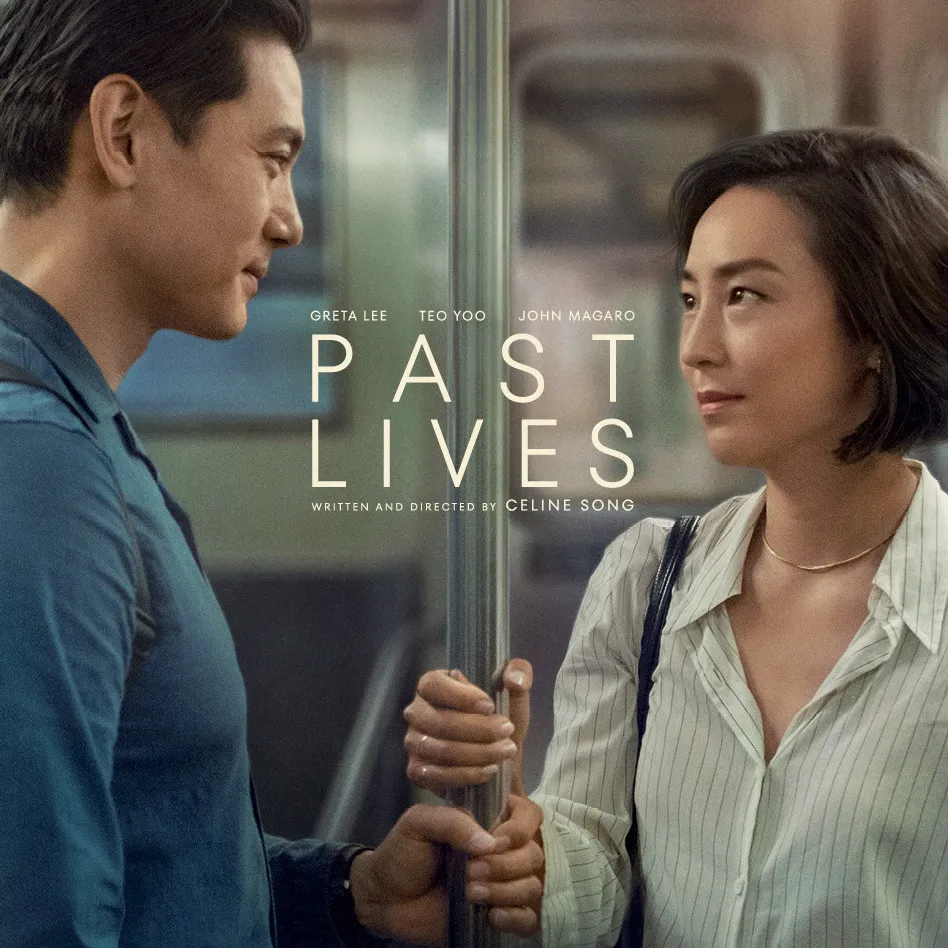
I’m split on the opening in medias res shot: we see the three main characters in a crucial moment, and we hear voices speculating on the question, “Who are they to each other?” I like the concept of the scene because I’ve played this game when people-watching in public spaces. On the other hand, the movie telegraphs itself, and I spent the first part of the movie impatient to get to the part which I knew was coming. But once it gets there… wow. It’s a masterclass of emotional tension, reminiscent of Moonlight’s diner scene.
Jiro’s son Yoshikazu talks about wanting to be a race-car driver before bowing to the pressure of family expectations and joining his father as a sushi chef. By all accounts, we are all glad that he didn’t follow his dreams, as he’s considered to be among the best sushi chefs in the world. Would he have been the best race-car driver in the world, because he has the ability to become the best at anything he does? Or could he only become the best at sushi, because that’s the ability he was “assigned” at birth? Does everyone only get one thing that they can be the best at? What if the thing that you’re assigned doesn’t match your life circumstances? What if the person who would become the best sushi chef is born in the middle of the desert where there are no fish?